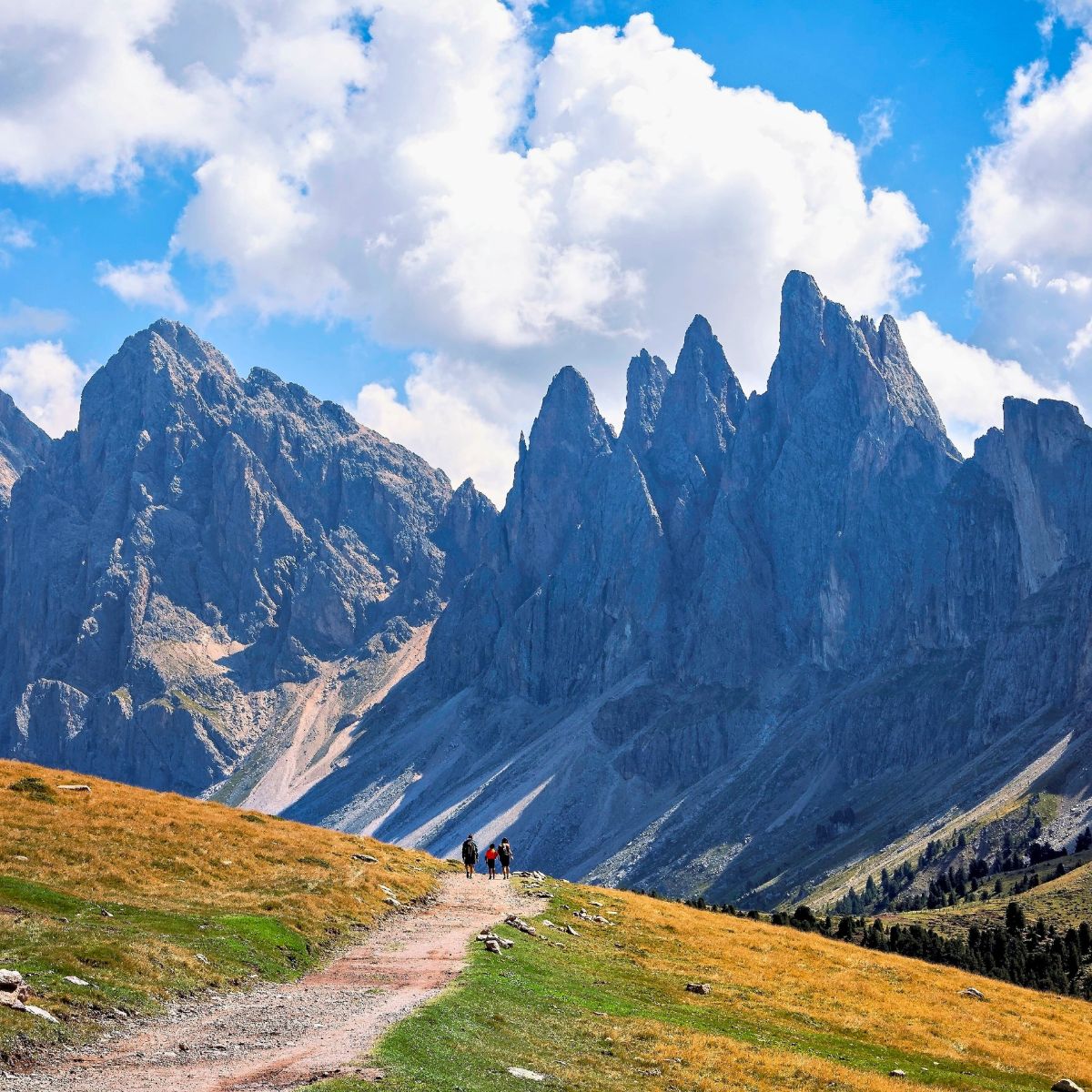
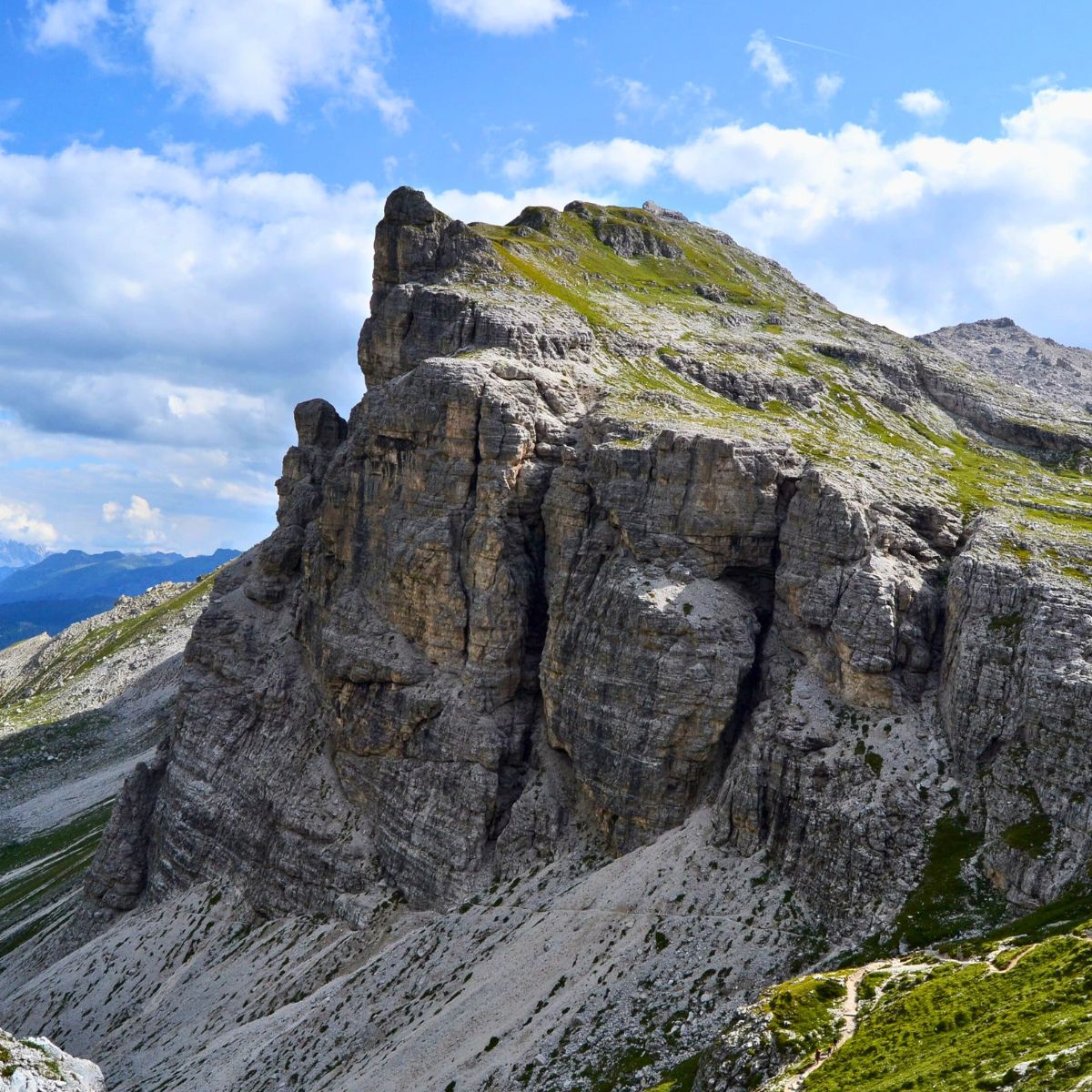
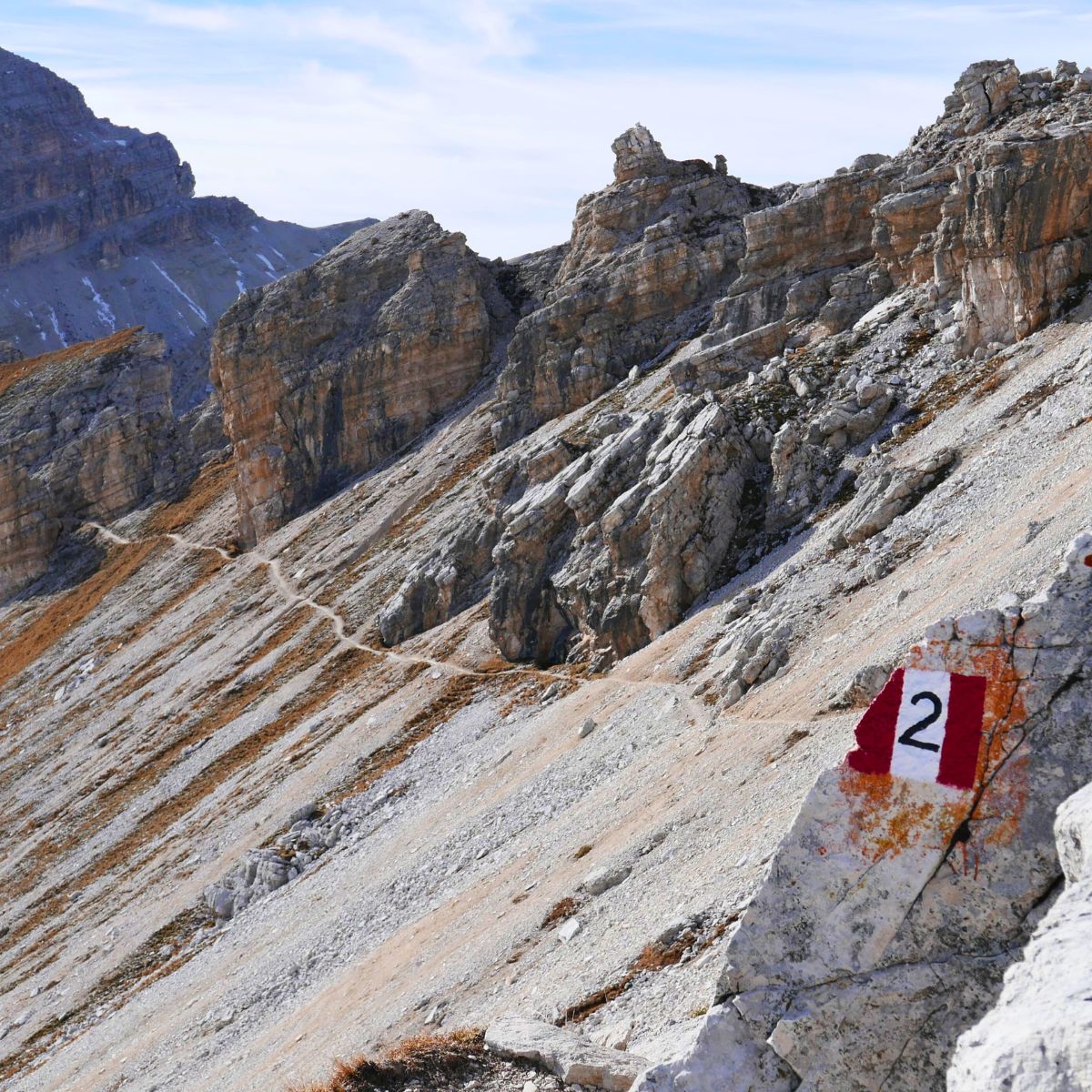
Trekking in the Puez-Odle group: 5-7 days

Trekking in the Puez-Odle group: 5-7 days
Skip to product information
1 of 5
View full details

Itinerary

Primary Itinerary

Prices

Travel

Stay & Meals

Main itinerary

Main Itinerary: Classic 5-Day Trek

Day 1: Arrival in Val Gardena
Activity: Arrival and check-in to accommodation | Hike: None

Arrive in Val Gardena and settle into your base camp hotel in Ortisei, Santa Cristina, or Selva di Val Gardena. The valley offers breathtaking views of the surrounding Dolomites, framed by coniferous forests sloping down to lush green meadows. Rich in Ladin culture, Val Gardena maintains a deep connection with its traditions: language, music, and wood carving are living identity elements, with local artisans creating finely crafted sculptures and decorations. Today, you'll have the opportunity to immerse yourself in this authentic culture before resting for the adventure that awaits you.

Day 2: Adolf Munkel Weg: At the Foot of the Odle Peaks
Elevation gain: 720 m | Elevation loss: 510 m | Altitude: 1,860–2,310 m | Distance: 15 km | Duration: 5 hours

The first day of trekking takes you along one of the most famous panoramic trails in the entire Dolomites: the Adolf Munkel Weg, part of the Odle High Route, dedicated to the Austrian mountaineer and geologist Adolf Munkel who devoted his life to studying these mountains and particularly the Funes Valley.

The trail is well-marked and easy to follow. The path winds with gentle ascents and descents, alternating between forested sections and wide open spaces offering bright, panoramic views. Walking at the foot of the imposing northern walls of the Odle Group, you'll see the same peaks that were the training ground for the young Reinhold Messner. Along the way, you'll encounter traditional mountain huts and alpine meadows colored by wildflowers — a paradise for photographers, thanks to the extraordinary contrasts between pastures and rocky towers.

Day 3: Alta Via 2: The Legend Trail
Elevation gain: 580 m | Elevation loss: 870 m | Altitude: 2,030–2,620 m | Distance: 10 km | Duration: 5 hours

Today you will hike a magnificent section of the Dolomites Alta Via 2, one of the most spectacular long-distance treks in the Alps. Prepare for an intense and challenging day, rewarded by views of extraordinary beauty. The route crosses an area of the Puez-Odle Nature Park far from the main tourist flows, offering idyllic views of the mountain group's main ridge.

The landscape gradually transforms into a pure high-mountain environment: vegetation gives way to dwarf pines and small shrubs adapted to the harsh high-altitude climate. The ascent to Forcella Roa, at 2,617 meters, is the most challenging moment of the entire trek and also the most rewarding. From the pass, the panorama of the Dolomites is complete and unforgettable. The descent on the opposite side gradually approaches the hut, where alpine meadows contrasting with the imposing peaks create a postcard-perfect setting. This is the most technical and demanding stage of the itinerary.

Day 4: Descent to Vallunga or Seceda Spires Loop
Option 1: Forcella de Sieles + Vallunga: Elevation gain: 610 m | Elevation loss: 1,020 m | Altitude: 1,600–2,580 m | Distance: 13 km | Duration: 5 h 30
Option 2: Seceda Spires Loop: Elevation gain: 520 m | Elevation loss: 440 m | Altitude: 2,030–2,520 m | Distance: 9 km | Duration: 3 h 30

The final stage of the trek offers you a choice between two equally memorable finishes.

Option 1: Classic route via Forcella de Sieles and Vallunga: From the hut, the ascent towards Forcella de Sieles follows a via ferrata-equipped path. The descent on the opposite side opens up to a spectacular panorama of the Sella Massif. Before reaching Rifugio Puez, the route crosses the rocky Puez plateau and then descends into the vast alpine meadows of Vallunga, a gentler landscape where the mountains open gracefully towards the valley.

Option 2: Seceda Spires Loop: For those who prefer to conclude the trek in a more relaxed way, this variant leads to the Seceda Spires, the most famous viewpoint in Val Gardena and one of the most iconic Dolomite landscapes in the world. The entire day is dedicated to enjoying breathtaking views without major elevation changes. At the end of the day, you reach the Col Raiser cable car station to comfortably descend to the valley.

Day 5: Departure from Val Gardena
Activity: Departure | Hike: None

Your adventure in the Puez-Odle Nature Park concludes after a hearty breakfast. You have hiked some of the most beautiful trails in the Dolomites, slept in authentic alpine huts, and experienced the unique culture of Val Gardena. An experience that stays with you, wherever you go.

Extended 6-Day Tour
The main 5-day itinerary plus an additional daily excursion to the Alpe di Siusi with return to the base camp in Val Gardena. The Alpe di Siusi is the largest high-alpine pasture in Europe and offers one of the most famous Dolomite views in the world—an ideal addition for those who wish to fully explore the surroundings of Val Gardena.

Extended 8-Day Tour
The most comprehensive tour available in the region: combines the Puez-Odle Classic Trek with the Val Gardena and Alpe di Siusi Hiking Tour, for a total of 6 days of hiking. In this combined itinerary, all the main landmarks of the area are reached: the Alpe di Siusi plateau, the Sciliar Massif, the Sassolungo, and the Puez-Odle Group. The route begins with three days along the classic Val Gardena itinerary and, instead of returning to the valley from Passo Sella, continues towards the Puez-Odle Group.

What's Included

Tour Types and Pricing Structure

Self-Guided Tours

Explore independently with detailed maps, pre-booked accommodations, and 24/7 support. The ideal choice for hikers who prefer freedom and flexibility, capable of navigating with a map and interpreting weather forecasts on their own.

Private Guided Tours

Your local English-speaking mountain guide leads your private group throughout the entire traverse. The ideal choice for those who wish to deepen their knowledge of the area, its wildlife, geology, and local culture with the security of an expert by their side.

For smaller or larger groups, contact us for a personalized quote.

Flexible Dates

Both tour types operate on your preferred dates throughout the summer season (June 26 – September 14, 2026).

Tour Duration

The stated duration includes arrival and departure days. Accommodation is included for both the first night (arrival day) and the last night (before departure).

What's Included: Self-Guided Tour

Accommodation:

  • Mountain hut stays: 3–5 nights (depending on the itinerary) in shared dormitories
  • 3-star base camp hotel or B&B: first and last night of the stay, double/triple rooms

Meals:

  • Daily full breakfasts (mountain huts and hotels)
  • Dinners in mountain huts every evening

Planning and Support:

  • Personalized itinerary and hiking program developed by MONT Trekking guides
  • Specialized hiking maps 1:25,000 (1 map per booking)
  • Pre-trip instructions and comprehensive logistical assistance
  • 24-hour emergency support available during the trek

Transportation:

  • Transfer from the base camp hotel to the trail starting point (trek start)
  • Luggage transport between base camp hotels

What's Included: Private Guided Tour

Everything included in the Self-Guided Tour, plus:

Expert Guide:

  • Local English-speaking mountain guide for the entire duration of the trek
  • Expert knowledge of trails, wildlife, geology, and local culture
  • Navigation and orientation on variable terrain
  • Safety management and group coordination
  • Private transportation from the base camp hotel to the trail starting point

Complimentary Services (All Tours)

  • Electronic maps with GPS navigation for smartphones (Self-Guided Tours only, Android or iOS device required)

What's Not Included

Additional costs to budget for:

  • Travel insurance (strongly recommended, see dedicated section)
  • Drinks at dinner (water, wine, beer, coffee, ordered and paid separately at each hut)
  • Lunches during hiking days (available for purchase at huts along the way, typically €10–20 per person)
  • Hot shower use in mountain huts (€3–5 per use, paid directly to the hut)
  • Shuttle on the first day of trekking: €5 (Self-Guided Tour only)
  • Recommended cable car on the route: approx. €20 (variable cost depending on the period — included in the 7-day itinerary for access to the Pale di San Martino plateau)
  • Single room supplement in base camp hotels for non-solo travelers
  • Tourist tax where applicable (typically €1–2 per night)
  • Personal expenses and anything not explicitly listed in the included services

Upgrades and Optional Extras

Private Rooms in Mountain Huts

Upgrade to 2, 3 or 4-bed rooms in selected huts along the route (subject to availability — early booking strongly recommended, spots fill up quickly).
Supplement: €20 per person per night

💡 This itinerary features some of the region's most comfortable huts, with private rooms available in multiple establishments. If privacy is a priority, we recommend booking as early as possible.

Single Room in Base Camp Hotel

Private accommodation on arrival and departure nights (for non-solo travelers).
Supplement: €100 per person (total)

4/5 Star Hotel in Base Camp Hotel

Upgrade accommodation on arrival and departure nights to higher category hotels.
Available upon request, contact us for availability and prices.

Private Airport Transfer

Private transfer between the departure airport and your base camp hotel in Ortisei, Santa Cristina or Selva di Val Gardena and the destination airport.
Available upon request, contact us for prices and availability.

Pricing Information

  • Prices are per person and include VAT
  • Valid for the Summer 2026 season (June 26 – September 14)
  • Currency: EUR (€)
  • The Private Guided Tour price is calculated based on a minimum of 4 participants — for groups of different sizes, contact us for a quote

Getting to the Basecamp

Base Camp Location

The Puez-Odle Classic Trek is a loop trek with a single base camp in Val Gardena. The trek starts and finishes in the same valley, in one of its main villages: Ortisei, Santa Cristina, or Selva di Val Gardena. This greatly simplifies logistics compared to a point-to-point traverse: a single airport, a single start and end hotel, no transfer complexities.

We recommend contacting us before booking flights: we can provide updated train and bus schedules, suggest optimal arrival times, and help you build seamless logistics without surprises.

Verona Valerio Catullo Airport (VRN) — Main Option

The most convenient airport to reach Val Gardena, with regular flights from the UK, Germany, Denmark, France, and Poland.

  • Travel time: Approximately 3–3.5 hours by train and bus
  • Distance: ~190 km
  • Route: Train Verona → Bolzano or Chiusa, then bus line 350 to Val Gardena

Innsbruck Airport (INN) — Alternative Northern Europe Option

Convenient for those arriving from Austria, Southern Germany, or Switzerland. Similar travel times to Verona, with excellent rail connections to Bolzano along the Brenner line.

  • Travel time: Approximately 2.5–3 hours by train and bus
  • Distance: ~120 km

Other Accessible Airports

Venice Marco Polo (VCE), Bergamo Orio al Serio, Bologna Marconi, Munich, and Milan airports are accessible with daily buses to Val Gardena Hi-Land, but they involve longer transfer times and less direct connections. If you are considering these options, please contact us to assess the feasibility of the connections together.

⚠️ Note for those arriving from Venice: There is no direct connection from Venice to Val Gardena; the best route by train and bus takes approximately 5 hours with a change in Bolzano. Rome2Rio Plan ahead, especially for morning or evening flights.

Transport to Base Camp

Public Transport

Trenitalia offers the FRECCIALink service, a single train + bus ticket, with departures from Verona, Bologna, Milan, and other main cities, arriving directly in Ortisei, Santa Cristina, or Selva di Val Gardena. Bolzano's central station is the main railway hub, with fast connections from Milan, Venice, and Rome via Verona; several buses depart from Bolzano throughout the day for Val Gardena.

We provide detailed schedules and step-by-step transport instructions after booking.

Private Airport Transfer (Optional)

Private transfer service available upon request for direct and stress-free transportation from the airport to your base camp hotel in Val Gardena, both upon arrival and return.

Contact us for prices and availability.

Insurance and Visa

Travel Insurance

Coverage Required
It is essential to have appropriate travel insurance that covers mountain hiking activities.

Important:It is NOT necessary to include technical climbing or mountaineering coverage unless you plan to climb independently during the trek. Standard hiking/trekking coverage is sufficient for this itinerary.

What Your Insurance Should Cover:

  • Medical expenses and emergency evacuation
  • Trip cancellation and interruption
  • Lost or delayed baggage
  • Hiking and trekking activities up to 3,000 meters above sea level

We strongly recommend purchasing insurance at the time of booking.

Visa Requirements

EU/EEA citizens
No visa required to travel to Italy.

Non-EU/EEA Citizens
Check visa requirements for Italy based on your nationality. Most visitors can enter Italy without a visa for tourist stays of up to 90 days within the Schengen Area.

Visa Support Documentation
If you require an Italian visa, we will provide a booking confirmation letter for each day of your trip, which you can submit with your visa application.
Request this document after completing your booking

Pre-Departure Checklist

Before your trek, make sure you have:

  • Valid passport (minimum 6 months validity recommended)
  • Travel insurance with confirmed hiking coverage
  • Booking confirmation from Dolomist
  • Emergency contact numbers (provided after booking)

Accommodation

Hotel
Your first and last nights are spent in comfortable 3-star hotels or B&Bs near Sappada, providing a seamless transition into and out of the wilderness experience.

Stays in Mountain Refuges
During the trek, you will stay overnight in traditional alpine huts with the following comforts and services:

Sleeping arrangements:

  • Shared dormitory rooms with bunk beds (standard option)
  • Private rooms with 2, 3 or 4 beds (must be booked in advance, subject to availability)
  • Mattresses, pillows and warm blankets provided in all rooms
  • Heating systems available (typically not needed in the summer months)

What to Bring:

  • For shared dormitories: Sheet bag required (lightweight cotton or silk sheet)
  • For private rooms: Bed linen often provided (we will confirm if a sheet is required when you book private rooms)
  • Important: Warm sleeping bags are not necessary, blankets will keep you comfortable
  • Clean indoor footwear for use in the shelter (light slippers or flip-flops are ideal)

Shelter Services and Facilities:

  • Hot showers available (€3–5 per use, paid separately at the refuge)
  • Clean restrooms
  • Dining room with a community atmosphere
  • Small shop for essentials: water, snacks, sandwiches, chocolate bars
  • Limited charging stations (bring a power bank recommended)
  • Meals included (breakfast and dinner)

Etiquette and Culture of Shelters:

  • Communal dining atmosphere, dinner is a shared social experience
  • Respect quiet hours (typically 10:00 PM – 6:00 AM)
  • Indoor footwear required at all times inside shelters
  • Cash preferred for extras (showers, drinks, snacks), many refuges have limited card payments
  • Charge devices during meals when outlets are available
  • Book hot showers in the early evening, hot water may be limited

Meals

What's Included
All hut-to-hut treks include breakfast and dinner at mountain huts and base camp hotels. Lunch is not included but can easily be arranged.

Breakfast (7:00 – 9:00)

Standard Alpine Breakfast Includes:

  • Unlimited coffee and tea
  • Fresh bread with butter
  • Jam, honey and chocolate cream
  • Some refuges also offer: ham, cheese, muesli, yogurt

Helpful Tip:After breakfast, ask the shelter staff to fill your thermos with hot water or tea. This service is free at most shelters and is perfect for staying hydrated on the trail.

Dinner (7:00 PM – 7:30 PM)
Dinner is served at a fixed time for all guests, creating a warm community atmosphere.

Traditional Multi-Course Alpine Dinner:

  • First course: Pasta, risotto, soup or traditional dumplings
  • Second course: Meat or vegetarian protein with seasonal vegetables
  • Dessert: Homemade cakes, apple strudel, or local specialties

Important:Water is included, but other drinks at dinner are not included: wine, beer, coffee, and tea must be ordered and paid for separately at each refuge.

Lunch on the Trail

No Shelters Along the Daily Routes
The trek passes through pristine wilderness with no facilities between the overnight stops. Plan accordingly for midday meals.

Packed Lunch Option (Recommended)
Order a packed lunch the night before from your refuge for the next day's hike.

The Typical Packed Lunch Includes:

  • 1–2 substantial sandwiches (cheese, salami, or vegetarian options)
  • Yogurt or fresh fruit
  • Chocolate bar or energy snack
  • Bottled water (500ml)

Cost:€7–10 for a packed lunch
Order dinner the night before your day of hiking

Alternative Options:

  • Bring your trail snacks and energy bars from home
  • Purchase supplies at shelter shops (limited selection available)
  • Combine: Order a packed lunch + supplement with personal high-energy snacks for longer days

Dietary Requirements
Mountain huts can accommodate most dietary requirements with advance notice:

  • Vegetarian:Options available at all shelters (no advance notice required)
  • Vegan:Available with advance notice (please let us know when booking)
  • Gluten-free:Available at most shelters (please let us know when booking; availability varies by location)
  • Food allergies:They must be communicated before the start of the trek so that we can coordinate with each refuge.

Important:Please inform us of any dietary restrictions or food allergies when booking. We will coordinate with all the shelters along your route to ensure your needs are met.

Typical Daily Meal Plan

  • 7:00 – 9:00:Breakfast at the refuge
  • 12:00 – 13:00:Packed lunch on the trail (midday break)
  • 7:00 PM – 7:30 PM:Dinner at the refuge (fixed time)
Anello delle Dolomiti Friulane: 5 giorni di pura avventura ⛺️🏔️✨ - Dolomist
Campanile di Val Montanaia: conquista la cima, notte in Rifugio e masterclass arrampicata - Dolomist
Rifugio Giaf – Dolomiti Friulane - Dolomist
Female hiker with blue backpack admiring towering limestone cliffs in misty Friulian Dolomites Natural Park
Trails
Difficulty
Accommodation
Solitude

Quality of Trails

Well-marked and maintained trails, no via ferrata, no sections requiring a harness. The terrain alternates between alpine meadows, forests, rocky plateaus, and open slopes, with most of the route on well-trodden and clearly marked paths.

Two sections require attention: the equipped section at Forcella de Sieles (Day 4), exposed but secured with a steel cable, safe without equipment, but requires no fear of heights and a steady foot on rock; and the climb to Forcella Roa (Day 3, altitude 2,617 m), where residual snowfields may be present until early July, making the section slippery.

Overall, a technically accessible itinerary, which, however, requires consolidated hiking experience and familiarity with alpine terrain.

Factors of Difficulty

Specific difficulties of this route:

  • An exposed, equipped section of trail near Passo Forcella Sieles
  • Possible presence of snowfields near Forcella Roa until early July
  • Rocky and challenging terrain in the high-altitude section of the Puez Group
  • Day 3 (Alta Via 2): the most technical and strenuous stage of the entire itinerary

Accommodation

Comfort levels in mountain huts range from basic to above-average. All huts offer private 4-bed rooms; some huts have 2- or 3-bed rooms. Hot showers are available in all huts, although they may occasionally be temporarily unavailable due to limited resources or maintenance. Most huts generate electricity themselves using solar panels or generators. We recommend bringing a power bank to charge your phone and navigation devices in any conditions without relying on the hut's availability.

Solitude

The Puez-Odle Classic Trek takes place in one of the most beloved and visited areas of the Dolomites: expect to encounter other hikers regularly along the route, especially during peak season. The two sections with the highest concentration of people are the Puez plateau, a classic destination even for day hikers, and the Adolf Munkel Weg, one of the most famous scenic trails in the entire Dolomites and consequently very busy in July and August.

The human presence significantly decreases in the Alta Via 2 section, which crosses an area of the park less frequented by ordinary tourist flows: here, the more challenging terrain and the distance from easy access points ensure greater tranquility and a more authentic connection with the mountains.

Anello delle Dolomiti Friulane: 5 giorni di pura avventura ⛺️🏔️✨ - Dolomist
Campanile di Val Montanaia: conquista la cima, notte in Rifugio e masterclass arrampicata - Dolomist
Rifugio Giaf – Dolomiti Friulane - Dolomist
Female hiker with blue backpack admiring towering limestone cliffs in misty Friulian Dolomites Natural Park
18 shield check

Ask the Dolomist Team

The Dolomites deserve the right experience. We're here to help you find it.

Talk to an Expert

18 target

Reply within 24 hours

18 target

Local mountain experts

18 target

Tailored experiences

Request Now

FAQ

Security Considerations

Insurance and Visa

Security Considerations

Professional Guiding & Safety Standards

Private Guided Tours

Your trek is led by professional mountain guides with:

  • Years of guiding experience in the Dolomites region
  • Professional licenses and official certifications
  • Expert training in wilderness emergency response
  • Regular updates on qualifications and safety protocols
  • In-depth local knowledge of terrain, weather patterns, and route conditions
  • Full compliance with Italian national regulations for mountain guides

Self-Guided Tours

Our self-guided routes are carefully planned to be safe for experienced hikers who:

  • Follow provided route instructions and safety guidelines
  • Dress appropriately for alpine conditions
  • Make realistic time calculations using our detailed hiking schedules
  • Possess good mountain fitness and navigation awareness

Trail Standards:

  • Well-maintained trails with clear directional signage
  • Exposed or technical sections secured with fixed cables and handrails
  • No specialized climbing skills or technical gear required (unless explicitly stated in the tour description)
  • Routes follow established and marked paths through the wilderness

Essential Safety Requirements

For All Participants:

Before Your Trek:

  • Read our comprehensive Safety Considerations & Emergency Procedures guide
  • Understand basic mountain safety rules
  • Ensure you have an appropriate fitness level for daily elevation gains (average 1,000m)
  • Have adequate travel insurance with hiking coverage

During Your Trek:

  • Follow all route instructions and safety guidelines
  • Stay on marked trails, do not deviate from planned paths
  • Monitor weather conditions and prepare for changes
  • Respect your physical limits and adjust pace accordingly
  • Maintain communication with emergency contacts

Emergency Support

24-Hour Emergency Contact: Available throughout your trek for urgent assistance

Phone: +39 0463 63 60 80

Emergency Protocols:

  • Professional rescue coordination with local mountain rescue services
  • Immediate response for medical emergencies
  • Support for weather-related diversions or evacuations
  • Assistance in locating lost or overdue hikers

Understanding Mountain Risks

Important Reminder:

Mountain environments involve inherent natural risks, including:

  • Rapidly changing weather conditions
  • Uneven and challenging terrain
  • Altitude considerations
  • Limited communication in remote areas
  • Wildlife encounters

Risk Mitigation: We minimize these risks through professional planning, clear safety guidelines, and support systems. However, participants must understand that mountain hiking carries unavoidable natural hazards, and personal responsibility is essential.

Safety Questions?

If you have concerns about safety protocols, trail conditions, or emergency procedures, please contact us prior to booking:

Phone: +39 0463 63 60 80

Available for pre-trip safety consultations

Clothing and Gear

Essential Gear for Your Trek

Proper gear is fundamental for comfort and safety in the alpine environment. After booking, you'll receive a detailed equipment list specifically tailored to your itinerary and travel dates, but here are the essential items every hiker must have.

Footwear (Crucial)

Hiking Boots - Non-negotiable

Recommended: High-cut (ankle height) hiking boots with:

  • Ankle support for stability on rocky, uneven terrain
  • Stiff soles for scrambling over scree and loose rock
  • Waterproof or water-resistant construction
  • Well broken-in (wear them for 2-3 day hikes before your trek)

Why high-cut boots? The Dolomites involve steep ascents and descents over unstable rock every day. Ankle support significantly reduces the risk of injury and fatigue on challenging terrain.

Wrong footwear = trek-ending problems. Low-cut trail shoes lack the necessary support and protection.

Hut Footwear

Required: Clean, lightweight indoor shoes for mountain huts

  • Slippers, flip-flops, or lightweight sandals
  • Crocs or similar slip-on shoes work perfectly
  • Hiking boots are not allowed inside huts

Pack these in an easily accessible spot; you'll use them every evening.

Clothing System (Layering is essential)

Even in summer, mountain weather varies from 5°C (41°F) to 20°C (68°F) in a single day. A proper layering system keeps you comfortable in all conditions.

Base Layer (Next to skin)

  • Wicking synthetic or merino wool (NOT cotton)
  • Long-sleeved shirt recommended (sun protection + thermal flexibility)
  • 2-3 tops for multi-day hygiene

Insulation Layer (Warmth)

  • Fleece jacket or lightweight down/synthetic puffy jacket
  • Essential for cold mornings, evenings, cool days, and hut comfort
  • Compressible, lightweight options work best

Outer Layer (Weather Protection)

  • Waterproof and windproof shell jacket with hood (absolutely essential)
  • Waterproof rain pants or overtrousers
  • Quality rain protection is non-negotiable in mountain weather

Hiking Pants

  • Long hiking pants (NOT jeans, they are dangerous when wet)
  • Convertible zip-off pants work well
  • Quick-drying synthetic fabric recommended
  • Avoid cotton, it stays wet and cold

Head Protection

  • Sun hat or baseball cap (high UV exposure at altitude)
  • Warm beanie or headband for cold mornings/evenings

Backpack and Hydration

Daypack for Hiking

  • 30-40 liter capacity for daily essentials
  • Comfortable hip belt and sternum strap (weight distribution is key)
  • Rain cover for backpack or waterproof pack liner
  • External attachment points for trekking poles

What You'll Carry Daily:

  • Water (minimum 2-liter capacity)
  • Packed lunch and snacks
  • Rain gear and extra layers
  • First-aid kit, sunscreen, personal items
  • Camera, phone, power bank

Crucial Hydration

  • Minimum 2 x 1-liter water bottles (refillable at huts)
  • OR hydration reservoir/bladder system (2-3 liters)
  • Reusable bottles preferred (reduce plastic waste)

Sun and Eye Protection

Mountain Sun is Intense

UV radiation increases by approximately 10% for every 1,000m of altitude. At 2,000m+, sun exposure is significantly stronger than at sea level.

Required:

  • Sunglasses with UV protection (Category 3 or 4 for glacier/high altitude)
  • High SPF sunscreen (minimum 30+, 50+ recommended)
  • Lip balm with SPF

Reapply sunscreen every 2-3 hours while hiking.

Trekking Poles (Highly Recommended)

Why use poles?

  • Reduce stress on knees on steep descents (critical)
  • Improve stability on unstable scree and loose rock
  • Increase uphill efficiency (25% less energy expenditure)
  • Aid balance on exposed sections
  • Help prevent ankle injuries

Recommendation: Adjustable, collapsible poles with shock absorption

Note: Not mandatory, but 95% of experienced Dolomites hikers use them for good reason.

Personal Items & Accessories

Toiletries and Hygiene:

  • Travel-sized essentials (shampoo, soap, toothbrush, toothpaste)
  • Quick-drying towel (huts provide bedding but not towels)
  • Biodegradable soap preferred (protect mountain waters)
  • Toilet paper and hand sanitizer

First-Aid and Medications:

  • Personal prescription medications (bring extra)
  • Blister treatment (Compeed or moleskin)
  • Painkillers (ibuprofen/paracetamol)
  • Basic first aid supplies
  • Altitude sickness medication if prone (rare below 3,000m)

Electronics:

  • Power bank/portable charger (hut outlets are limited)
  • Phone for GPS navigation (self-guided) and photos
  • Headlamp or flashlight (late evenings and early mornings in huts)
  • Universal adapter if needed (Italy uses Type F/L plugs)

Documents:

  • Passport or ID card
  • Travel insurance card
  • Booking confirmation
  • Emergency contact numbers (provided after booking)

Optional but Useful

  • Hiking gaiters (prevents rocks/debris from entering boots)
  • Lightweight gloves (cold mornings or via ferrata sections)
  • Camera and extra memory cards
  • Book or e-reader for hut downtime
  • Playing cards (evening hut entertainment)
  • Earplugs (shared dorm rooms can be noisy)

What NOT to Bring

Leave at Home:

❌ Jeans or cotton clothing (dangerous when wet, stays cold)
❌ Heavy clothing or excessive layers (you'll carry everything daily)
❌ Valuables or expensive jewelry
❌ Full-sized toiletries (travel-sized only)
❌ More than one book
Just-in-case items (pack light, huts have basics)

Packing Philosophy: Every item in your pack, you will carry 1,000 vertical meters uphill each day. Pack thoughtfully.

Detailed Equipment List Coming Soon

After booking, we provide:

  • Personalized equipment list adapted to your specific itinerary
  • Weather-appropriate recommendations based on your travel dates
  • Seasonal adjustments (June vs. August vs. September guidance)
  • Self-guided specific items (maps, navigation tools)
  • Tips for minimizing pack weight while maintaining comfort

Please review this list thoroughly before your trek. Proper preparation directly impacts your comfort and enjoyment.

Questions About Gear?

Unsure about any equipment? Need recommendations for specific brands or items? Contact us for personalized guidance:

Phone: +39 0463 63 60 80

We'll be happy to help you prepare properly for your adventure.

Where to Purchase Gear

Before You Travel:
Most items are available at outdoor retailers in your home country (REI, Decathlon, local trekking shops)

In Italy:
Outdoor gear shops are limited in the Valle del Piave. Do not plan to purchase essential items (boots, rain jacket) after arrival. Come prepared.

Rental Options:
Contact us if you need to rent technical items like trekking poles or specialized equipment.

Weather in the Dolomites

Best Time for Weather

Ideal period for trekking: From mid-July to mid-September

The period with the most stable and reliable weather for trekking in the Pale di San Martino is approximately fromsecond week of July until mid-September, and is characterized by:

  • Warm and sunny days, ideal for mountain trekking
  • Moderate rainfall, with generally brief afternoon thunderstorms
  • Mountain passes and snow-free trails
  • Comfortable temperatures even at high altitude
  • Greater weather reliability for multi-day treks

Month-by-month weather

June (Start of season)

Conditions:generally favorable but less predictable

What to expect:

  • Milder temperatures in the valley, cooler at altitude
  • Increased likelihood of atmospheric instability
  • Residual snow:passes above 2,000 m may still have snow accumulations
  • Possible need to adapt the itinerary according to the conditions

Ideal for:experienced hikers, comfortable with variable conditions and possible route changes.

July & August (High Season)

Conditions:most stable and warm period of the year

What to expect:

  • Highest temperatures of the season
  • Clear and sunny days, with excellent visibility
  • Typical afternoon thunderstorms (usually brief, 1–2 hours)
  • Hail possible during thunderstorms
  • All normally accessible passes and paths
  • Fully operational shelters, with the best level of service

Ideal for:All levels of experience; also perfect for those tackling their first trek in the Dolomites.

September (End of season)

Conditions:very suggestive but progressively more variable

First half (beginning of September):

  • Conditions still excellent for trekking
  • Less crowding and quieter trails
  • First autumn colors of the landscape
  • Weather similar to August

Second half (mid-late September):
Greater unpredictability of the weather

  • Increased likelihood of prolonged rainy periods
  • Possible fresh snowfall above 2,000 m
  • Shorter days and cooler temperatures
  • Some shelters may close after mid-September

Temperature Guide
High altitude (2,000 m and above)
(where most of the trekking takes place)

Daytime temperatures:

  • Sunny August day:up to 20°C during the hottest hours – ideal for walking
  • Cloudy or rainy day:around 10°C all day – warm layers required

Morning and evening:

  • Always fresh or cold:5–10°C
  • Cold temperatures at dawn and after sunset
  • Warm layers are essential in shelters, in the morning and in the evening

Valley altitudes (1,000–1,500 m)
(base camp areas and lower reaches)

Daytime temperatures:

  • Until27°Con the hottest days
  • Pleasant climate and suitable for outdoor activities

Morning and evening:

  • Fresh and breezy:12–18°C
  • Dry climate, never muggy
  • Ideal conditions for a good night's sleep

Typical Weather Pattern
Daily cycle (July–August)

  • Morning (6:00 – 11:00):clear skies, cool temperatures, maximum panoramic visibility
  • Noon (11:00 – 15:00):warmer phase, clouds begin to form at high altitude
  • Afternoon (3:00 PM – 6:00 PM):possible thunderstorms, generally brief (1–2 hours), sometimes with hail
  • Evening (from 6:00 pm):clear skies, falling temperatures, beautiful sunsets

Walking strategy:leave early in the morning to take advantage of the best hours and reach the refuge before the afternoon storms.

What to Bring Based on the Weather
Essential Layers

  • Waterproof jacket with hood (essential)
  • Waterproof trousers or overtrousers
  • Warm thermal layer (fleece or down) for mornings, evenings and cold days
  • Breathable technical underwear
  • Sun protection: hat, sunglasses, sunscreen (high UV at altitude)

Weather Considerations

  • Never rely on just “shorts and a t-shirt”
  • Prepare for temperatures between10°C and 20°C on the same day
  • The layering system is essential for comfort and safety
  • Waterproof clothing should be easily accessible in your backpack

Trekking Adjustments Based on Weather

Our approach to security

  • Daily monitoring of forecasts
  • Possible route changes in case of severe weather (thunderstorms, snow)
  • Alternative itineraries in case of impassable passes (especially in June)
  • Constant coordination with the shelters
  • Safety always takes priority over schedule

Residual snow in June

If snow makes some high altitude passes impassable, the itinerary will be adapted while maintaining:

  • wilderness nature of the experience
  • consistent distances and daily commitment

Frequently Asked Questions

Q: What happens if it rains for several days?
We continue the trek in light to moderate rain (with appropriate gear). In case of severe inclement weather, we may adjust the timing, add rest days at a refuge, or alter the route to ensure safety.

Q: Are afternoon thunderstorms dangerous?
By following our schedule and leaving early, we almost always arrive at the refuge before the storms. The refuges offer safe shelter, and the storms typically last 1–2 hours.

Q: Are the weather forecasts reliable?
Mountain forecasts are fairly reliable for two to three days, but can change quickly. We monitor conditions daily and adjust our program as needed.

Q: What is the lowest possible temperature?
At 2,000 m, on a cold, rainy day, temperatures can drop to5–8°CWith the right clothing you can walk comfortably in any conditions.

Insurance and Visa

Travel Insurance

Coverage Required
It is essential to have appropriate travel insurance that covers mountain hiking activities.

Important:It is NOT necessary to include technical climbing or mountaineering coverage unless you plan to climb independently during the trek. Standard hiking/trekking coverage is sufficient for this itinerary.

What Your Insurance Should Cover:

  • Medical expenses and emergency evacuation
  • Trip cancellation and interruption
  • Lost or delayed baggage
  • Hiking and trekking activities up to 3,000 meters above sea level

We strongly recommend purchasing insurance at the time of booking.

Visa Requirements

EU/EEA citizens
No visa required to travel to Italy.

Non-EU/EEA Citizens
Check visa requirements for Italy based on your nationality. Most visitors can enter Italy without a visa for tourist stays of up to 90 days within the Schengen Area.

Visa Support Documentation
If you require an Italian visa, we will provide a booking confirmation letter for each day of your trip, which you can submit with your visa application.
Request this document after completing your booking

Pre-Departure Checklist

Before your trek, make sure you have:

  • Valid passport (minimum 6 months validity recommended)
  • Travel insurance with confirmed hiking coverage
  • Booking confirmation from Dolomist
  • Emergency contact numbers (provided after booking)