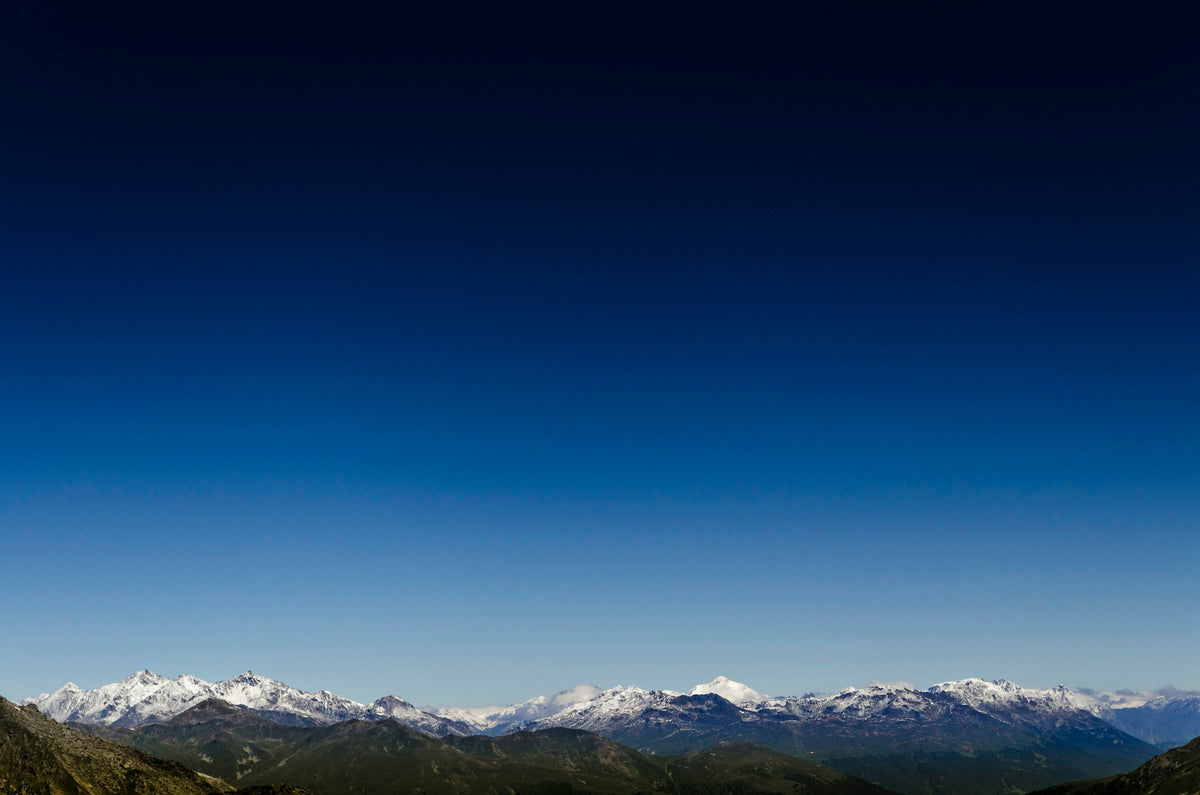
8-Day Brenta Dolomites, Tonale & Pejo 3000 Ski Safari

8-Day Brenta Dolomites, Tonale & Pejo 3000 Ski Safari

Skip to product information
1 of 5
View full details

Itinerary

Day-by-Day Itinerary

What's Included

Getting There

Stay & Meals

Day-by-day itinerary

Day 1: Arrival in Val di Sole
Skiing: none | Overnight: 3-star hotel

Arrive in Val di Sole in the afternoon and check in. You collect your Superskirama pass and the tour documents, sort out your skis and sit down to a first Trentino dinner. If you land early, the village is a half-hour stroll.

Day 2: Folgarida-Marilleva and over to Campiglio
Skiing: Folgarida-Marilleva, part of a 230 km (143 mi) circuit | Overnight: mountain hut at 2,500 m (8,200 ft)

First day on snow among the forests of Folgarida and Marilleva. The intermediate groomers get your legs going, then you choose: the Nera di Marilleva if you want pitch, or the wide, sunny runs toward Commezzadura if you want to carve. In the afternoon you ski across to Madonna di Campiglio with the Brenta Dolomites straight ahead, then ride up to a rifugio (mountain hut) at 2,500 m. Traditional dinner, starry sky, no village lights.

Day 3: Campiglio and Pinzolo ski area
Skiing: Madonna di Campiglio-Pinzolo, 150+ km (93 mi) | Overnight: mountain hut

A full day in the largest ski area in Trentino. Start at Passo Grostè, wide and easy high-altitude pistes with the Brenta towers within touching distance, then drop into the 3-Tre, the World Cup slalom run. If your legs allow, push on to Pinzolo: the Doss del Sabion pistes are long and scenic. Back to the hut for dinner.

Day 4: Campiglio and transfer to the Presena
Skiing: Madonna di Campiglio, Pradalago sector | Overnight: mountain hut at Passo Presena

A free morning in Campiglio: repeat the runs you loved or explore the Pradalago side. Mid-afternoon a private transfer takes you to Passo del Tonale, from where you head up to Passo Presena, one of the highest points of the tour. Dinner in the hut in the silence of high altitude.

Day 5: Ponte di Legno-Tonale and the Presena glacier
Skiing: Ponte di Legno-Tonale, 100 km (62 mi) | Overnight: mountain hut

You wake to sunrise on the Presena glacier. First run: the Paradiso, more than 3 km (1.9 mi) of sustained pitch from almost 3,000 m (9,840 ft). Then you explore the whole area, from the sunny slopes toward Ponte di Legno to the broad runs of Temù, with the Adamello massif behind you. Evening in the hut with local dishes and wine.

Day 6: Passo del Tonale and transfer to Pejo
Skiing: Passo del Tonale, Passo dei Contrabbandieri sector | Overnight: mountain hut at Pejo 3000

Morning on the Passo dei Contrabbandieri pistes, upper-intermediate terrain facing the Presanella, the highest summit in Trentino. In the afternoon a private transfer brings you to Pejo 3000, in the heart of the Stelvio National Park. Reach the hut and rest up for the finale.

Day 7: Pejo 3000 and the Val della Mite
Skiing: Pejo 3000 | Overnight: 3-star hotel in Val di Sole

The grand finale is the Val della Mite: one continuous run of more than 8 km (5 mi) from the 3,000 m top station to the valley floor, with the Ortles-Cevedale peaks as a backdrop. Spend the rest of the day in this quiet ski area inside the national park. Late afternoon, a short transfer returns you to the hotel in Val di Sole for a last dinner.

Day 8: Departure
Skiing: none

Breakfast, check-out and onward travel. If your flight is in the evening, we can suggest how to use the morning.

The program may be adjusted by the local team or guide according to snow and weather, keeping the structure and goals of the tour unchanged.

What's Included

Tour formulas

Self-guided: you ski at your own pace. We and our partner team on the ground book the hotel, huts and transfers, give you maps and a stage-by-stage itinerary, and stay reachable 24/7.

Private guided: a ski guide dedicated to your group for all six days. They pick the best pistes for the conditions, take you onto easy off-piste sections safely if you wish, and tell you the story of the place.

Included

  • 2 nights in a 3-star hotel in Val di Sole, double or triple room
  • 5 nights in high-altitude mountain huts, shared room with shared bathroom
  • Half board (breakfast and dinner) every night
  • 6-day Superskirama ski pass with ski/snowboard insurance included
  • Private transfers as per program and luggage transfer
  • Map and tour documentation, 24/7 assistance
  • Private guided only: accompaniment by a ski guide

Not included

  • Tourist tax at hotel and huts where applicable
  • Drinks, lunches and extras
  • Ski rental (available on request)
  • Cancellation and medical/baggage insurance
  • Anything not listed as included

2027 prices per person (departures from January 9 to March 27, 2027)

  • Self-guided, 2 participants: € 2,590 per person
  • Self-guided, 4 participants: € 2,360 per person
  • Self-guided, 6 participants: € 2,290 per person
  • Private guided, 2 participants: € 4,730 per person
  • Private guided, 4 participants: € 3,450 per person
  • Private guided, 6 participants: € 3,050 per person

Flexible dates on request within the season. For group sizes other than 2, 4 or 6, ask us for a quote.

Getting to the start

Where it starts and ends: in Val di Sole, western Trentino. The tour begins and ends at the same 3-star hotel, so one airport and no complicated return logistics. We confirm the exact village at booking.

Airports: Verona (VRN) is the most convenient, about 2 hours by car. Milan Malpensa (MXP) and Bergamo (BGY) are about 3 hours. Innsbruck (INN) is about 3 hours via the Brenner Pass and Trento. Venice (VCE) is about 3.5 hours. From the US, the usual routing is a connection in a European hub into Milan, Venice or Verona.

By train: take a high-speed train to Trento from Verona, Milan or Venice, then the local Trento-Malè-Mezzana railway up Val di Sole, about 1.5 hours. We arrange a taxi from the station to the hotel.

By car: A22 motorway, exit San Michele all'Adige or Trento Nord, then the Val di Non and Val di Sole road. Parking at the hotel for the whole week. Winter tires or chains on board are required by law in winter.

Transfers during the tour: all moves between ski areas (Campiglio, Tonale, Pejo and back to Val di Sole) are private and included. Your luggage travels with the transfers; in the huts you carry only a daypack.

Arriving the day before: if you land in the evening, we are happy to add an extra hotel night. Contact us before booking flights and we will suggest the best arrival times.

Insurance & Visas

Included insurance: the ski pass carries a ski/snowboard policy for piste rescue.

Recommended insurance: we ask you to take out travel medical, baggage and cancellation insurance that explicitly covers alpine skiing. It must include medical repatriation and helicopter rescue, which in Italy can be charged outside the pistes. US travelers: your domestic health plan rarely covers this abroad. We can propose a policy at booking.

Cancellation: our partner's booking conditions apply and are sent with the confirmation. A cancellation policy protects you from penalties if you are injured before departure.

Documents: EU citizens need only an ID card. Non-EU travelers need a passport valid at least three months beyond the return date; US, Canadian, British and Australian citizens do not need a visa for stays of up to 90 days in the Schengen area.

European Health Insurance Card: if you are an EU citizen, bring it.

Accommodation

Night 1 and night 7: 3-star hotel in Val di Sole, double or triple room with private bathroom, buffet breakfast and a dinner of local dishes.

Nights 2 and 3: high-altitude mountain hut at 2,500 m (8,200 ft) above Madonna di Campiglio, facing the Brenta Dolomites. Shared rooms, shared bathrooms.

Nights 4 and 5: mountain hut at Passo Presena, above Passo del Tonale, on the edge of the glacier. Shared rooms, shared bathrooms.

Night 6: mountain hut in the Pejo 3000 area, inside the Stelvio National Park. Shared rooms, shared bathrooms.

The huts (rifugi) are staffed, heated lodges that stay open in winter because the lifts serve them. Rooms sleep 4 to 8 in single beds or bunks with blankets and duvets; sheets or a sleeping-bag liner are generally provided, and we confirm the details in your travel documents. Private double rooms exist in only some huts and are on request, subject to availability.

Meals

Half board is included for all seven nights: breakfast and dinner.

Dinner in the huts: a set three-course menu of Trentino mountain cooking. Canederli (bread dumplings) in broth or with butter, polenta with game or melted cheese, strangolapreti (spinach dumplings), beef stew, apple strudel. Local wine and beer are available at extra cost. Dinner is early, between 7 and 7:30 pm, everyone together in the dining room.

Dinner in the hotel: à la carte or a choice of menus, with regional dishes and Trentino wines.

Breakfast: simple but plentiful in the huts (bread, jams, eggs, cold cuts, coffee); buffet in the hotel.

Lunch: not included. Every ski area has on-piste huts and restaurants where a hot plate takes 40 minutes. Many skiers pocket a bar and a piece of speck and stop only once.

Dietary needs: vegetarian, gluten-free and allergies are handled without fuss if you tell us at booking; we brief every property in advance.

Pista da sci soleggiata in Val Gardena con le Dolomiti sullo sfondo
Sciatori sulla pista del ghiacciaio della Marmolada, Canazei
Le Cinque Torri innevate sotto il cielo blu, Cortina d'Ampezzo
La Marmolada, Regina delle Dolomiti, con il ghiacciaio innevato in pieno inverno
Pistes
Difficulty
Stay
Crowds

Pistes & ski areas

Folgarida-Marilleva: forest pistes, well groomed, linked to Campiglio without taking your skis off. Long red runs (blue in US terms), the Nera di Marilleva for real pitch, snowmaking across almost the whole area.

Madonna di Campiglio and Pinzolo: over 150 km (93 mi), the largest connected area in Trentino. Wide groomers prepared every night, modern fast lifts. Grostè for easy high-altitude cruising, the 3-Tre as the technical test, Doss del Sabion for long scenic descents to Pinzolo.

Ponte di Legno-Tonale: 100 km (62 mi) between 1,100 and almost 3,000 m (3,600-9,840 ft). The Presena glacier gives you the 3 km Paradiso and guaranteed snow all season. The Tonale side is a broad, open plateau of red and blue pistes made for speed; the Ponte di Legno-Temù side drops into the forest with narrower, shadier runs.

Pejo 3000: a small, high ski area inside the Stelvio National Park. Few pistes but one with character: the Val della Mite, over 8 km (5 mi) from the 3,000 m gondola top to the valley.

All areas are covered by the Superskirama pass (about 380 km / 236 mi in total) and have snowmaking on their main runs. No ski-in/ski-out hotels here; the huts are the ski-in/ski-out part.

Difficulty factors

Length of the days: 4-5 hours on skis for six consecutive days. It is not a race, but it needs consistency: your legs must last until day six.

Technical sections: the tour runs on red pistes. The Nera di Marilleva, the 3-Tre and parts of the Presena are black or steep but optional; there is always a red alternative.

Altitude: you ski and sleep between 1,500 and 3,000 m (4,900-9,840 ft). On the Presena and at Pejo 3000 the air is thinner and the cold sharper; the first morning runs can be firm and fast.

Long descents: the Val della Mite (8 km / 5 mi) and the Paradiso (3 km) demand thigh endurance more than technique. Stop when you need to.

Point-to-point on day 2: you must reach Campiglio and the hut before the lifts close. On the self-guided formula, the timing is yours to manage.

Changeable weather: fog and wind up high can close the Presena or slow the program. The local team adapts the itinerary.

Hotels & mountain huts

Sleeping in a mountain hut in winter is the most memorable part of this ski safari. At 5 pm the lifts close, the day skiers ride down, and you stay up there with a handful of other guests, a wood stove and the view.

Comfort is simple and clean: shared rooms with single beds or bunks, heavy blankets, shared bathrooms and hot showers (coin-operated in some huts). Hot water is available but not unlimited. Common rooms and most bedrooms are heated; bring warm sleepwear anyway. Indoor slippers are required in nearly every hut, and most provide them.

Cell coverage works almost everywhere, Wi-Fi not always. There is a drying room for boots and gloves and a ski room. The 3-star hotel in the valley on your first and last nights has private en-suite rooms, a heated ski room and, in many cases, a small spa.

Crowds & quiet corners

This is one of our quietest ski safaris. Val di Sole and the Tonale see far fewer visitors than the big Dolomiti Superski resorts, and sleeping in the huts puts you on the pistes before anyone else.

Madonna di Campiglio is the exception: on weekends and in peak weeks (late December, mid-February) the pistes near the village and the 3-Tre get busy. The high Grostè sector and the Pinzolo side stay calmer, as do midweek mornings.

Passo del Tonale has a broad plateau that absorbs people well; February weekends bring day skiers from Brescia and Milan, but the Presena and the runs toward Temù keep flowing.

Pejo 3000 is almost always silent: a short line at the gondola, then nobody on the Val della Mite.

January and the second half of March are the quietest periods in every area.

Pista da sci soleggiata in Val Gardena con le Dolomiti sullo sfondo
Sciatori sulla pista del ghiacciaio della Marmolada, Canazei
Le Cinque Torri innevate sotto il cielo blu, Cortina d'Ampezzo
La Marmolada, Regina delle Dolomiti, con il ghiacciaio innevato in pieno inverno
18 shield check

Ask the Dolomist Team

A ski safari deserves the right choice. We're here to help you make it.

Talk to an Expert

18 target

Reply within 24 hours

18 target

Local mountain experts

18 target

Tailored experiences

Request Now

FAQ

Safety

Insurance & Visas

Safety on the slopes

This ski safari takes place entirely on groomed, patrolled pistes inside lift-served ski areas. There are no mandatory off-piste sections.

On-piste insurance: the ski pass includes ski/snowboard insurance covering piste rescue and first costs in case of injury.

The ski guide's role (private guided): chooses pistes for the conditions, sets the group's pace, knows lift times and the tricky spots. If you want to try easy off-piste sections, you do it only with the guide and with proper equipment.

Self-guided: you receive maps, the itinerary and lift closing times. Respect the day 2 timing to reach the hut with the lifts open. The local team is reachable 24/7.

Piste rules: in Italy a helmet is mandatory under 18 and strongly recommended for everyone. Third-party liability insurance is compulsory and included in the ski pass.

Emergencies: the single European number is 112, which works in English. Piste rescue can be reached from every lift.

Clothing & Gear

The pack you carry to the huts should be light: your main bag travels with the transfers and meets you at the hotel on the last night.

On the slopes

  • Thermal base layer (merino or synthetic top and bottoms)
  • Fleece or light down jacket as mid layer
  • Waterproof, breathable ski jacket and pants
  • Warm ski gloves, plus a thin spare pair
  • Helmet (recommended for all, mandatory under 18), goggles with a sun lens and a flat-light lens
  • Neck gaiter, beanie for breaks, high-SPF sunscreen and lip balm
  • Technical ski socks, two pairs

In the huts

  • Light change of clothes for the evening, slippers, warm sleepwear
  • Sleeping-bag liner (we confirm if needed), small towel
  • Minimal toiletries, earplugs, power bank

Equipment

Bring your own skis, boots and poles or rent on request: we book them at a rental shop in Val di Sole and you collect on day one. Mid-width all-mountain piste skis are ideal for groomed snow and the odd soft section. If you own boots, bring them; foot comfort matters over six straight days.

Weather & Snow in the Dolomites

The Brenta Dolomites and the Tonale have a continental alpine climate: cold, dry winters and many sunny days between snowfalls.

January: the coldest month. Morning temperatures up high drop to -10/-15 °C (5 to 14 °F), around -5 °C (23 °F) in the valley. The snow is cold and firm, the groomers perfect from first lift.

February: longer days, temperatures between -8 and 0 °C (18-32 °F) up high. Often the month with the heaviest snowfalls.

March: strong sun, temperatures up high between -5 and +5 °C (23-41 °F). The lower pistes toward Ponte di Legno and Pinzolo soften in the afternoon; the Presena and Pejo 3000, at 3,000 m (9,840 ft), stay wintry.

Snow reliability: high. Skiing between 1,500 and 3,000 m with a glacier in the program means guaranteed snow all season, and every area has snowmaking on its main runs.

Wind and fog up high can stop the top lifts for a few hours: the program always has alternatives.

Insurance & Visas

Included insurance: the ski pass carries a ski/snowboard policy for piste rescue.

Recommended insurance: we ask you to take out travel medical, baggage and cancellation insurance that explicitly covers alpine skiing. It must include medical repatriation and helicopter rescue, which in Italy can be charged outside the pistes. US travelers: your domestic health plan rarely covers this abroad. We can propose a policy at booking.

Cancellation: our partner's booking conditions apply and are sent with the confirmation. A cancellation policy protects you from penalties if you are injured before departure.

Documents: EU citizens need only an ID card. Non-EU travelers need a passport valid at least three months beyond the return date; US, Canadian, British and Australian citizens do not need a visa for stays of up to 90 days in the Schengen area.

European Health Insurance Card: if you are an EU citizen, bring it.